
Why PicoSecond Laser Shines in Early Autumn:
After summer, many complexions show stubborn pigmentation, melasma flares, or newly visible freckles. Early autumn is a scientifically sensible time to begin PicoSecond Laser because ambient UV is lower, making pre- and post-care easier and risks lower under medical supervision.
PicoSecond Technology Explained in Plain Language
A PicoSecond laser emits energy in trillionths of a second (picoseconds). The ultra-short pulse duration delivers a primarily photoacoustic effect that shatters pigment into dust-like particles with minimal collateral heat. This is different from older nanosecond (Q-switched) systems where more heat can diffuse to surrounding tissue.
Common Wavelengths and What They Target
- 1064 nm: Deeper penetration; ideal for darker pigments and treatment in a broader range of skin types.
- 755 nm: Strong melanin absorption; useful for brown pigment and many black/blue tattoos.
- 532 nm: Targets red/orange/yellow pigments and superficial brown lesions; typically used with caution in lighter skin types.
What Pico Treats Well
- Solar lentigines (sunspots) and freckles.
- Melasma and post-inflammatory hyperpigmentation (with careful protocols).
- Café-au-lait macules and certain benign pigmented lesions identified by a clinician.
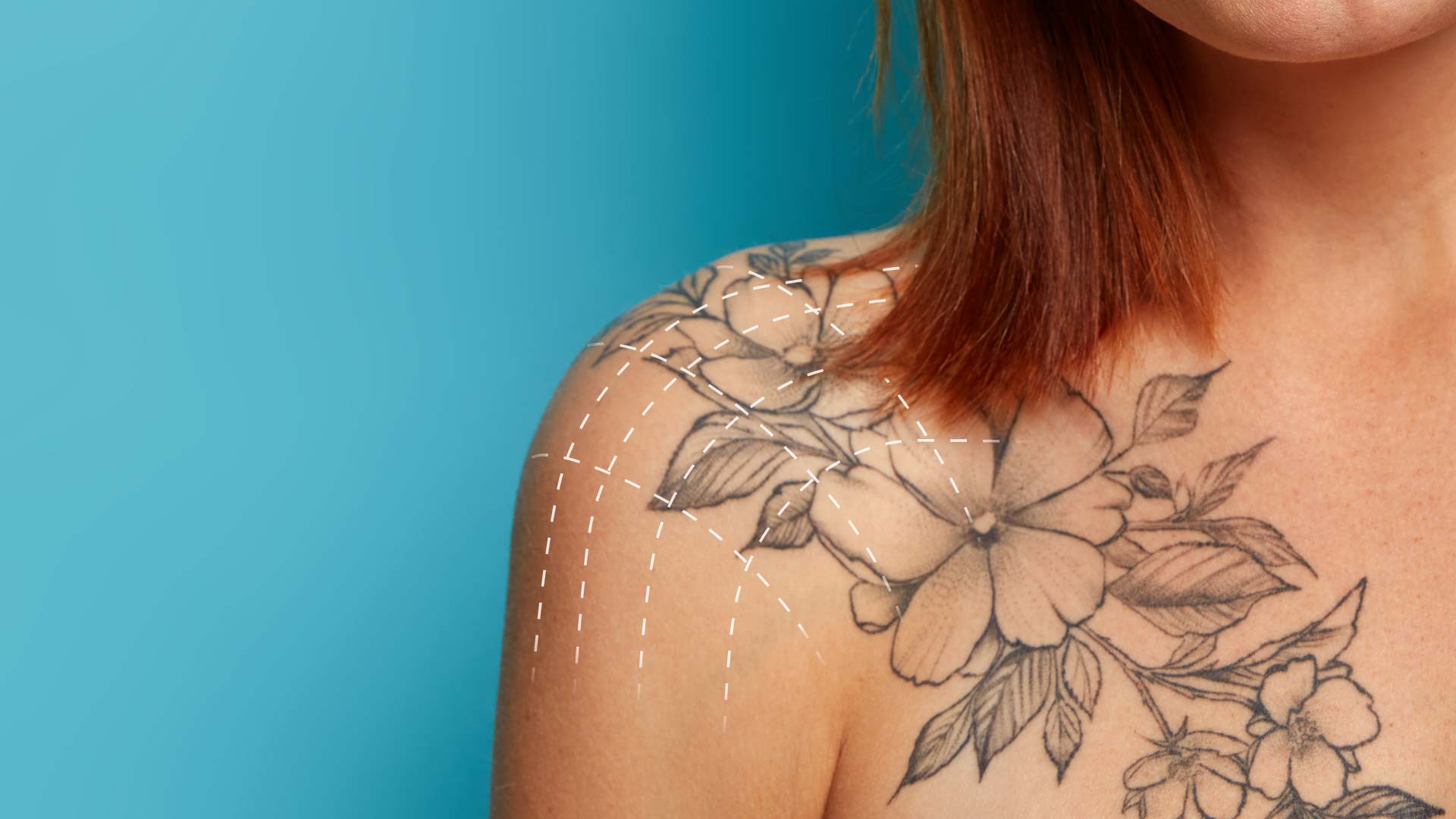
- Tattoo removal: black responds fastest; coloured inks like red, green, and blue may require specific wavelengths and additional sessions.
Indications, Suitability, and When to Wait
Pico can be appropriate for Fitzpatrick I–IV and selected V patients under expert guidance, particularly for pigment and tattoos. Defer treatment if the area is actively inflamed, infected, recently tanned, or if isotretinoin use has occurred in the recent past (per medical assessment). Pregnant individuals should postpone elective procedures.
What a Typical Course Looks Like
- Pigmentation: Three to five sessions spaced 4–6 weeks apart.
- Session time: 10–30 minutes for focused areas; longer for larger tattoos.
- Sensation: Pinprick or elastic snap feeling; topical anaesthesia can be used for comfort, especially for tattoos.
Recovery, Aftercare, and Realistic Downtime
Most patients experience transient redness and mild swelling. Superficial frosting can be seen immediately after pulses over tattoos; tiny micro-crusting or darkening of pigmented spots can occur for several days. Keep the area clean, moisturised, and protected from sun exposure. Avoid intense exercise, saunas, and swimming pools for 24–48 hours or as directed.
Pico vs Q-Switched: A Practical Comparison
- Pulse duration: Picoseconds vs nanoseconds (shorter in Pico = higher photoacoustic impact).
- Heat diffusion: Lower with Pico, reducing risk of surrounding thermal damage.
- Sessions: Pico often achieves clearance in fewer sessions for selected indications.
- Safety: Lower risk of post-inflammatory hyperpigmentation when protocols are tailored to skin type and season.
FAQs
Can Pico treat melasma safely?
Yes, under conservative, doctor-led protocols that prioritise low fluence, long intervals, and strict photo-protection. Combination care with topical agents is common.
Does Pico thin the skin?
No. Pico primarily targets pigment particles; it does not thin the skin.
Combining Pico with Skincare and Other Treatments
Doctor-directed pigment modulators (for example, azelaic acid or prescription retinoids) and high-quality sunscreen improve outcomes and reduce relapse risk. IPL can be used in a different phase for diffuse redness or mixed photo-damage, while chemical peels can fine-tune texture and clarity. The sequence is individualised by a clinician.
Safety and Risk Mitigation at Peonia Medical
We stratify settings by skin type, lesion depth, and season; perform controlled test spots when indicated; and provide clear written aftercare. This reduces risks such as temporary darkening, hypo/hyperpigmentation, or rare blistering. Patient education is central to long-term success.
Cost, Timelines, and Expectations
Pico is an advanced platform and requires expert operators, which is reflected in pricing. Value is best judged by clearance achieved per session, safety profile, and reduced downtime compared with older systems. Clear communication about expected session counts, especially for multi-colour tattoos, sets realistic goals and reduces disappointment.
Why Choose Peonia Medical This Autumn
- Doctor-led Pico protocols tailored to pigment type, skin tone, and treatment goals.
- Access to multiple wavelengths and parameter refinements for nuanced cases.
- Emphasis on prevention of post-inflammatory hyperpigmentation through seasonal timing and aftercare.
Conclusion: Precise, Efficient, Season-Smart
PicoSecond Laser is a precise, efficient way to address stubborn pigmentation and tattoos in early autumn when UV exposure is lower. With thoughtful planning and medical oversight, most patients enjoy visible progress with minimal disruption. If summer has left marks you would like to fade, now is the time to begin.